
Join The Commission
Considering accreditation? The Commission works alongside colleges and universities from first conversation through initial accreditation. Here’s how to begin.
Partnership at Every Stage
SACSCOC, the accreditation name of The Commission on Colleges and Universities, accredits degree-granting institutions of higher education — public and private, nonprofit and proprietary, from community colleges to research universities, including institutions that teach entirely online. Our members are as varied as the students they serve, and that variety is a strength of the community you would be joining.
The best first step is a conversation. Commission staff will talk with you at every step – even before any application is filed.

Meet The Team
Connect with the team in our Office of New Member Services.
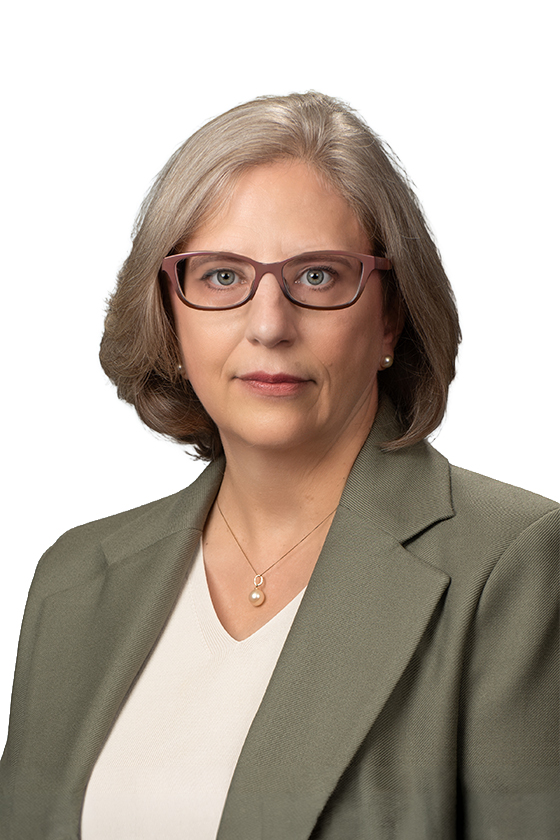
Dr. Patricia L. Donat
Dr. Patricia L. Donat
Senior Vice President
Dr. Patricia Donat is a higher education accreditation professional with more than 25 years of
experience. She serves as Senior Vice President for the Southern Association of College and
Schools Commission on Colleges (SACSCOC), an institutional accreditor for degree-granting higher
education institutions. SACSCOC’s mission is to assure the educational quality and improve the
effectiveness of its member institutions, and currently accredits more than 780 higher education
institutions across the Southeastern United States, Mexico, Costa Rica, and the United Arab
Emirates.
Prior to her service as SACSCOC Senior Vice President, she served as Provost and Senior Vice
President for Academic Affairs for the University of North Georgia, a senior military college and
regional multi-campus institution serving the communities of northeast Georgia.
Dr. Donat’s professional service included the Presidency of the Southeastern Psychological
Association and her service as a member of the SACSCOC Board of Trustees. Her community
engagement included her service as President of the Dahlonega Rotary Club and as a Board
member of the Little Village Montessori School.
Dr. Donat earned her Doctorate (PhD) in Social Psychology and Master of Arts in Clinical
Psychology from the University of North Carolina at Greensboro, and a Bachelor of Arts in
Psychology from the University of Northern Iowa. Her teaching and scholarly interests focused on
gendered violence and public health. A student of leadership, she also attended the Institute for
Educational Management (IEM) at Harvard University’s Graduate School of Education, and the
Becoming a Provost Academy co-sponsored by the American Association of State Colleges and
Universities (AASCU) and the American Academic Leadership Institute (AALI).
Dr. Donat is married to Dr. Gil Katzenstein, a retired faculty member of chemistry and graduate of
the University of Wyoming. Dr. Donat and Dr. Katzenstein reside in Dahlonega, Georgia, among the
foothills of the Appalachian Mountains. Her step-sons, Gabe and Isaiah, live in Montana.
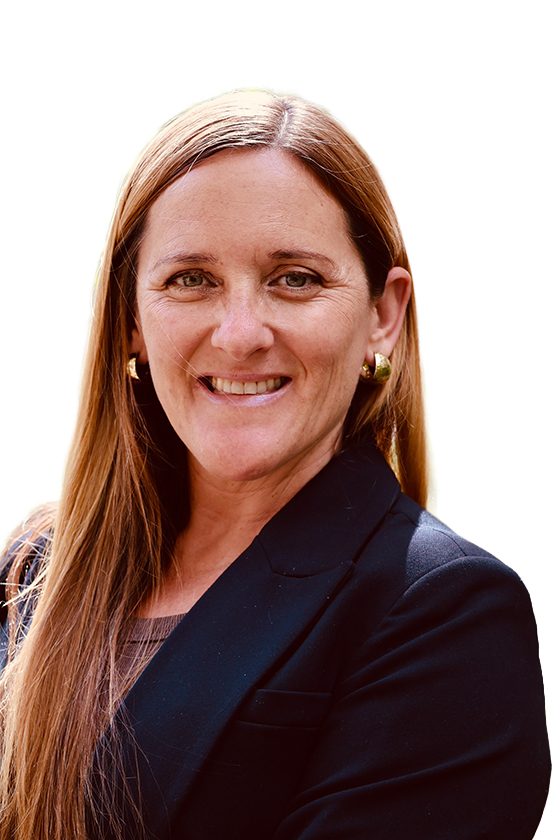
Dr. Justine Meyr
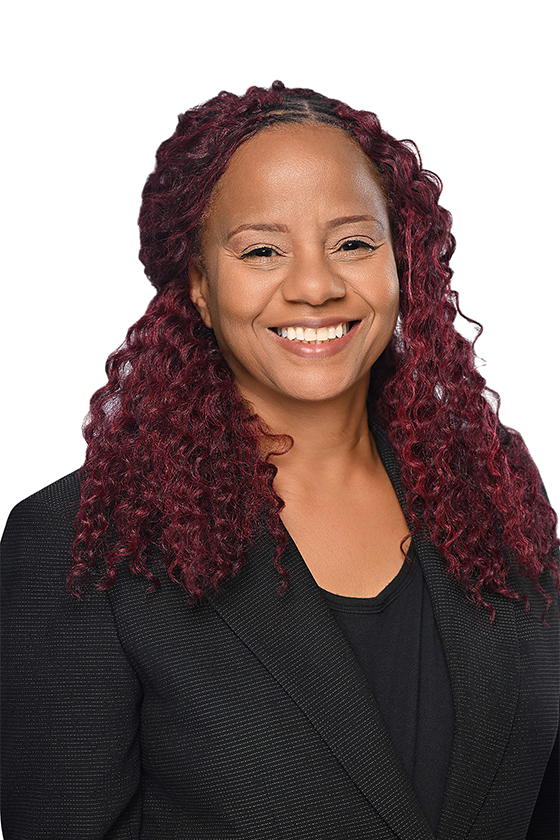
Ms. Lillian Parks
New to Accreditation
Institutions seeking accreditation for the first time typically begin with candidacy.
Accredited Elsewhere
Institutions accredited by another recognized accreditor follow an accelerated path.
Other Pathways
Affiliate institutions, institutions within other member institutions, and more follow different pathways.
How the Process Works

Talk with us
Before anything formal, institutions are encouraged to contact Commission staff to discuss readiness and fit.

Confirm Eligibility
The institution documents that it meets the eligibility requirements.

Apply for Candidacy
The application is reviewed, and a committee visits the institution.

Candidacy
A period of preparation, reporting, and review, during which the institution builds toward full accreditation.

Apply for Initial Accreditation
The institution demonstrates that it meets the standards in full.

Decision
The Board of Trustees acts on the application.
The process is deliberately thorough, and the work of preparing for it is substantial.
What to Expect of the Work
Accreditation is demanding by design. Institutions preparing for review commit significant staff time to documenting their work, gathering evidence, and examining their own practices honestly. Most find the process valuable in strengthening institutional processes and in supporting continuous quality improvement.
There are also costs — application and review fees, the expense of hosting visiting teams, and annual dues once accredited. Current fee schedules are published.
Frequently Asked Questions
Can we apply if we are outside the United States?
Yes. The Commission accredits degree-granting institutions internationally and we currently have members in Mexico, Costa Rica, and the United Arab Emirates. Please contact staff so that we can walk you through the procedure for international submissions.
We are accredited by another accreditor. Can we switch?
How long does it take?
From first contact to initial accreditation, the typical timeline is 3-4 years for established institutions. Institutions in good standing with another recognized accreditor are often able to complete the process in half that time.
Do you accredit individual programs?
No. The Commission accredits institutions. Program-level accreditation is handled by programmatic accreditors in the relevant field.
What does it cost?
The application fee is $6900, with a reduced rate of $4900 for institutions from new geographic jurisdictions.
Check with our staff to see which fee applies.